



Quick Answer: Hidden kitchen remodel costs often come from structural surprises, permitting fees, and delivery charges. Homeowners can avoid budget shocks by setting aside a 10% contingency fund, clarifying contract exclusions, and asking contractors about allowances and change orders. With careful planning and transparent communication, you keep your remodel on track and prevent unexpected expenses from derailing your project.
A kitchen remodel is one of the most rewarding investments you can make in your home. It adds beauty, functionality, and long-term value. Yet, many homeowners find themselves blindsided by costs they didn’t anticipate. These “budget busters” can derail even the most carefully planned project. The good news? With the right preparation, you can avoid most surprises and keep your remodel on track.
Here at Duncan’s Creative Kitchens, we want you to prepare for every possibility, so your renovation journey is exciting, not alarming. Understanding where unexpected expenses can sneak in, empowers you to plan wisely. Therefore, this comprehensive guide will prepare you for the costs often missed in preliminary estimates, helping you enjoy your new kitchen without any financial shock.
Even the most detailed kitchen remodel budgets can’t account for every possibility. Here are the most common hidden costs homeowners encounter:
When you open up walls, you might uncover issues that your contractor couldn’t have predicted. Specifically, in older homes, we sometimes find ancient plumbing, ungrounded wiring, substandard flooring, or even water damage hidden behind existing cabinets.
Consider the case of a recent remodel we handled in Parrish, Florida.
The scope included converting an old wet bar area into a walk-in pantry. Once the wet bar was demolished, our team uncovered a significant surprise: the room was originally a half-bath. The plumbing for the existing downstairs half-bath was still actively routed through this old space, and even worse, the original toilet drain in the floor had been improperly capped. What started as a simple cabinet removal quickly became a complex, $2,000 increase in plumbing costs. Crucially, we collaborated with the plumbers to find a creative solution: by strategically building a custom plumbing chase and slightly redesigning the open-shelf pantry layout, we mitigated the structural headache while still delivering the pantry they needed.
This kind of problem perfectly illustrates why preparation is key.
Cities and counties often require permits for electrical, plumbing, or structural changes. Fees vary by location, but they’re rarely included in initial estimates.
Our local experience reveals two common hiccups:
It is important to remember that the cost of your custom cabinets, premium appliances, or specialty tile often only covers the item itself. However, the charges for shipping, freight, and storage, especially for fragile or oversized items, can accumulate quickly. Therefore, always confirm whether your material quote includes all delivery, uncrating, and site access fees.
Transitioning from awareness to action, let’s explore how you can prepare for these scenarios.
Smart homeowners plan for the unexpected. You want to set aside a portion of your total kitchen remodel budget for contingencies.
We strongly recommend building a contingency budget of 10% of your total estimated project cost. This 10% serves as a dedicated reserve fund. If your project is estimated at $75,000, you should set aside $7,500. This money should not be spent on upgrades or design changes, it’s strictly for the unknown.
Why is this fund so critical?
These stories highlight why a contingency budget isn’t optional, it’s essential. Whether it saves you from asbestos abatement or funds a post-renovation getaway, it ensures peace of mind.
Many homeowners inadvertently cause their own budget issues through decisions made during the project. Specifically, two behaviors commonly damage both your budget and your timeline.
A change order is the number one, avoidable budget killer. Adding features or altering layouts once work begins almost always increases costs. Stick to your original kitchen remodel plan unless changes are absolutely necessary.
Vague contracts leave room for miscommunication. Ensure your agreement specifies materials, labor, allowances, and timelines. Many contractors operate on a basis of allowances and exclusions but sometimes fail to communicate them clearly. Never sign a contract that leaves too many details undefined.
The right contractor helps you anticipate costs and avoid surprises. Ask these key questions before signing:
One of the most common misunderstandings occurs when homeowners assume certain items are included in the contract. To prevent this, Duncan’s Creative Kitchens provides a clear list of exclusions at every stage of the conversation. For example, we might say:
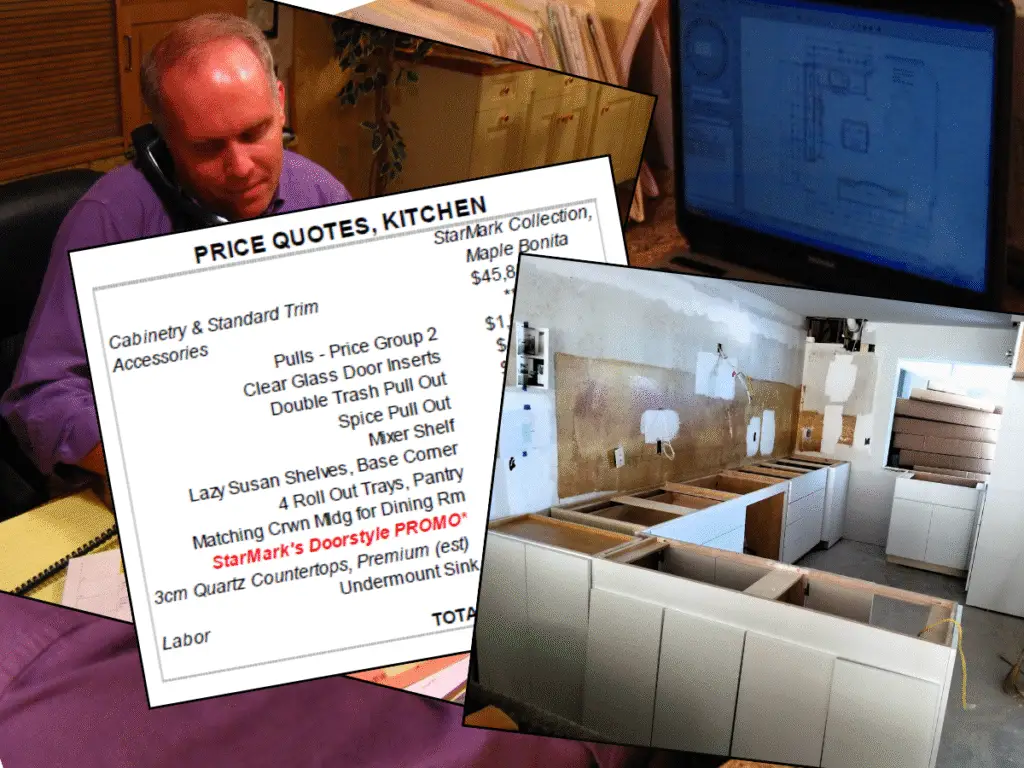
“Here are prices for the design as we have covered it thus far. To my knowledge, we still have not included appliances, a kitchen faucet, backsplash material (though installation labor is included).”
This proactive approach ensures clients know exactly what is, and isn’t, part of their remodel. By asking clarifying questions and reviewing exclusions, homeowners avoid costly surprises and maintain confidence throughout the project.
Partner with a company like Duncan’s Creative Kitchens, where transparency is paramount, and you ensure that the surprises you encounter are the delightful kind (like how much you love your new kitchen) not unpleasant financial shocks. Meticulous planning, honest conversations, and a robust contingency fund are your secret weapons for a successful, on-budget remodel. Contact us today to begin your surprise-free kitchen remodel.