
What Makes a Kitchen Remodel Successful?
We’ve all heard the unflattering anecdotes about remodeling projects: late materials, missing subcontractors, surprises hidden in the walls, and, at least here in Manatee County on the Florida gulf coast, hurricane threats that throw the calendar out the window.
Remodeling is a complex process. Even the best-planned projects encounter surprises from time to time. What separates a successful remodel from a frustrating one isn’t the absence of challenges, it’s how well the project was planned from the beginning, how clearly everyone communicates when disruptions occur, and how those inevitable surprises are handled when they happen.
I’m going to arm you with the knowledge required to filter out as many of those surprises as possible: what to expect, how to prepare, and the things that will consistently help remodeling projects run more smoothly. And once they invent x-ray glasses that allow us to peer into the walls, I’ll be happy to add them to my toolbox as well.
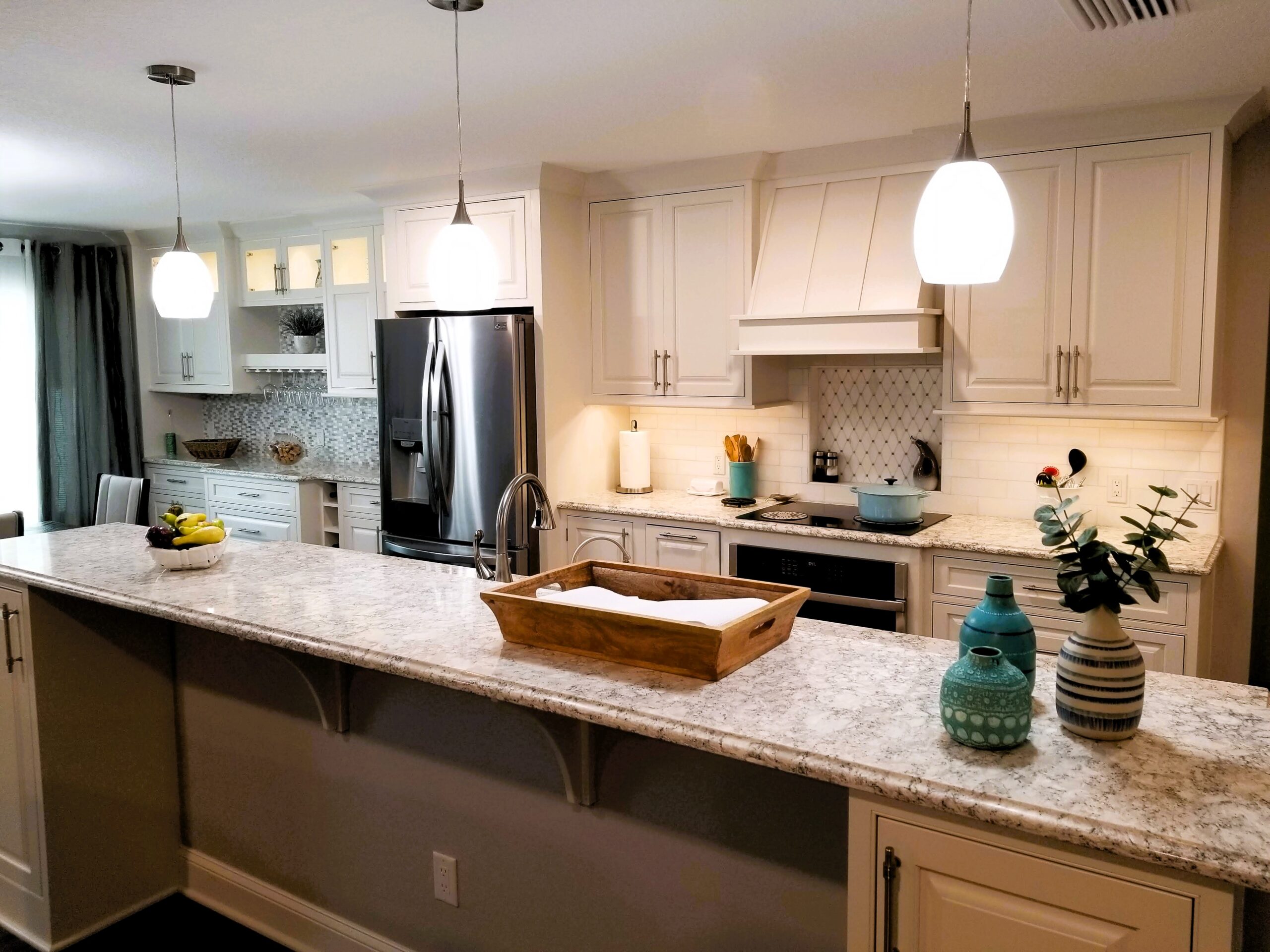
Where Do I Start with a Kitchen Remodel?
A common thing homeowners say when they sit down with me is something like, “I don’t even know where to start.”
Some apologize because they feel clueless about cabinet selections. Others think they should have a Pinterest board full of inspiration images before we ever meet. The truth is that those things are eventually helpful but none of that is where a successful remodeling project begins.
In fact, I’d rather you walk into that first meeting with a clear understanding of why you want to remodel instead of a perfectly organized binder full of product selections.
The products and details will come. But before any of that, we need to understand what you’re trying to accomplish. That’s why our first conversations usually look a little different than people expect.
Instead of jumping straight into countertop finishes or appliance choices, I’m asking things about what you love in your current kitchen, what frustrates you, and what prompted you to think about remodeling.
If you’ve already spent some time thinking through your reasons for a kitchen remodel, some of those ideas will sound familiar. The questions that got you here are the same questions that will guide the rest of your project.
If you haven’t had that conversation with yourself yet, I’d encourage you to start there. Why Do Homeowners Decide It’s Time to Remodel Their Kitchen? asks the questions that will help you understand what you’re really trying to accomplish before planning your remodel.
Those answers tell me far more than knowing whether you’ve fallen in love with a particular material or finish. They tell me what problem we’re trying to solve. That’s when everything starts coming together. Design options, product selections, and even budget conversations stop feeling like separate decisions. They’re all working toward the same goal because we’re no longer talking about remodeling in general. We’re talking about your remodel.
If I’ve done my job, you won’t leave that first meeting with every decision made. You’ll leave understanding what comes next and with a much clearer picture of the journey ahead.
If you’d like a deeper look at what those first conversations involve and how to prepare for them, Where Do I Start with a Kitchen Remodel? is a great place to continue.
The important thing to remember is this: You don’t need all the answers before you begin. You simply need to start asking the right questions.
How Can I Help My Kitchen Remodel Go Smoothly?
I wish I could tell you that successful remodeling projects are the ones where nothing ever goes awry, but those types of projects rarely happen.
The reality is that remodeling is intricate. It’s a process involving multiple trades, dozens of individual decisions, and several moving parts. No matter how carefully a project is planned, unexpected things occasionally happen. Materials arrive damaged. Something hidden in a wall changes the plan. Even the weather can affect schedules.
I can’t pretend those things never happen, and you shouldn’t either. I’ve learned to expect the unexpected when it comes to remodeling.
Our goal is to reduce the chance of surprises through good planning, and then respond quickly and honestly when the unexpected does occur. One of the earliest lessons I learned was whether a problem was my fault or not, it was still my responsibility to help find and implement a solution. I’ve watched people spend all their energy trying to prove a problem wasn’t their fault, and all they’ve really done is make the situation worse.
Believe it or not, some of my most vocal advocates for referrals are clients who, let’s say, had a ‘memorable’ installation experience.
That’s because they were the projects where everyone understood the plan, everyone communicated well, and we all worked together to solve situations as they came up.
A primary goal for me is to set realistic expectations before construction ever begins. I’d much rather have a homeowner understand what’s likely to happen than promise them a project where nothing ever changes. What’s the old cliché? ‘Under promise and over deliver’?
Clear expectations don’t eliminate surprises, they make them easier to manage.
The biggest tip I can give you to help your own project is to make important decisions before construction begins whenever possible. I am constantly telling people who are just beginning the remodeling conversation, “Make sure you have all of your ducks in a row before you start swinging hammers.”
Waiting until demolition is underway to choose cabinets, countertops, lighting, or plumbing fixtures is a sure way to invite unwanted wrinkles.
Doing things on the fly dramatically increases the chance of hiccups. Planning ahead gives everyone a better chance to succeed. It allows materials to be ordered, schedules to be coordinated, and potential issues to be identified before they become expensive problems.
Just as important, it gives you time to make thoughtful decisions instead of rushed ones or backtracking. That doesn’t mean every detail has to be finalized months in advance. But the stronger the plan is before work begins, the more smoothly the entire project tends to run.
If you like to examine why some remodeling projects become frustrating while others become great experiences: When a Dream Kitchen Remodel Becomes a Nightmare is a good read for you. It’s an honest look at the small decisions and communication breakdowns that often create problems—and, more importantly, how they can usually be avoided.
The important thing to remember is this: if you go into a remodel expecting perfection, you will be disappointed every time. A successful remodel is defined by preparation, communication, expecting the unexpected, and by responding well when it does.
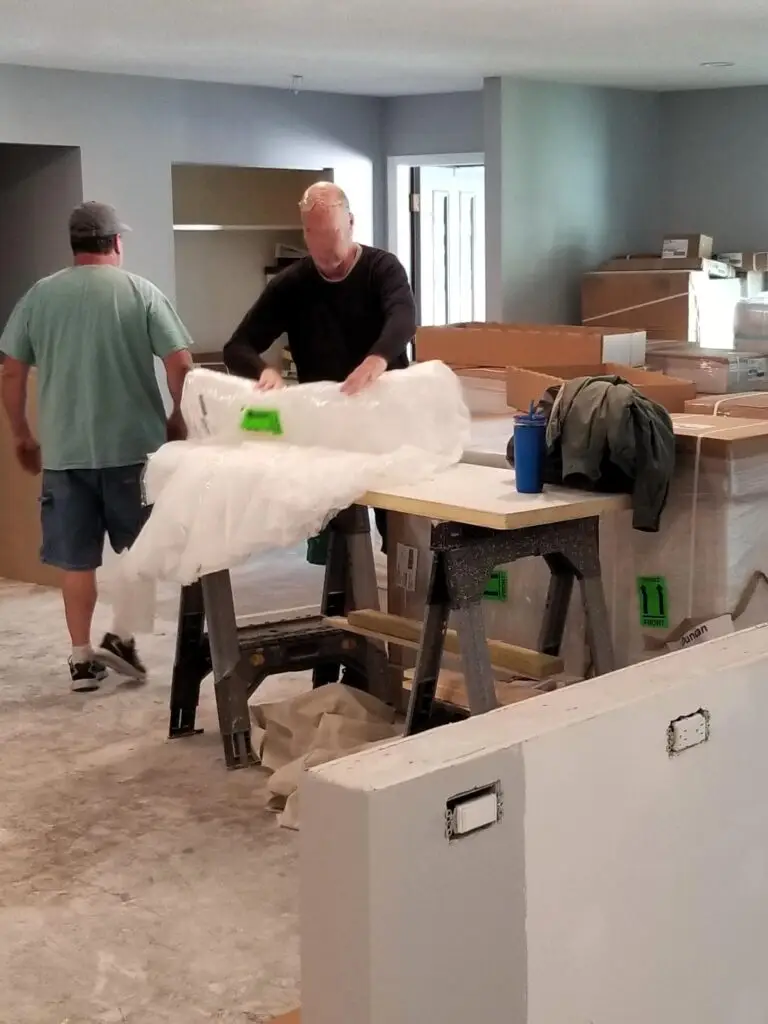
What Should I Expect Leading Up to My Kitchen Remodel?
The unknown creates anxiety. And if you’ve never remodeled a kitchen before, everything can feel like one big question mark.
Fortunately, a successful remodeling project isn’t a mystery. It’s a process. And once you understand how the pieces fit together, it starts to make sense very quickly.
Remember, demolition isn’t the beginning of a remodeling project, it’s the beginning of construction. By the time the first hammer is swung, the remodeling project has already been underway for weeks or even months. That’s because the most important work happens before Day 1 of construction.
Why Is Planning So Important?
Want to avoid as many installation problems as possible in your kitchen remodel? The answer is planning. The homeowner who takes all of the time they need in the design and planning phase is much happier with the end result over the one who rushes in to a project so they can check it off of their to-do list quickly.
Good planning isn’t pointless paperwork; it’s making decisions while you still have the time to explore all of your options. Trying to make changes while your kitchen is torn apart is a guaranteed recipe for disaster. I mentioned earlier that the most important piece of advice I can give to any homeowner planning any sort of remodeling project is to have your ducks in a row before you start swinging hammers. It’s important enough advice to repeat it.
The more questions we answer before construction begins, the fewer problems we’re trying to solve along the way.
How to Plan a Kitchen Renovation Step-by-Step walks through that planning process, from defining your goals and developing the design to preparing for construction with a realistic plan.
Why Does the Order Matter?
A kitchen remodel isn’t a random collection of tasks. Each step prepares the way for the next one. Trying to skip ahead or make major decisions out of sequence will create delays, backtracking, and most likely, unnecessary expense.
Think of planning a remodel as building a roadmap. Once everyone understands the route, each phase has a purpose, and the project naturally moves from one step to the next. Planning sets the route, and construction starts the drive.
If you’re curious why the sequence matters so much, What’s the Right Order for a Kitchen Remodel? explains how all of those pieces fit together.
How Long Does a Kitchen Remodel Take?
Such a simple question shouldn’t require such a complex answer. Unfortunately, it does. The only honest answer is one that’s based on your project.
A kitchen that keeps the existing layout is a very different project than one that involves completely redesigning the space. Rather than focusing on a single number, I think it’s more helpful to understand why timelines vary. Once you understand what affects the schedule, you’ll have much more realistic expectations about your own project.
Take a look at How Long Does a Kitchen Remodel Take? It explains the factors that influence remodeling timelines and why no two projects are exactly alike.
The important thing to remember is this:
A successful remodel is about great craftsmanship once construction begins. Just as importantly, it’s about having the right plan, following the right sequence, and understanding what to expect before construction ever starts.
How Do I Live Through My Kitchen Remodel?
By the time construction begins, you’ve probably spent a good while thinking about the finished kitchen. It’s exciting when the project finally gets underway. That’s also the point where remodeling stops being an idea and starts becoming part of your everyday life.
A common thing I tell homeowners in preparation usually gets a laugh.
“You like us now. You’ll love us when it’s done. But while the project is going on, you won’t be able to stand the sight of us because we’re going to be messing up your life every single day.”
Everyone chuckles but there’s a lot of truth behind it.
For a little while, your daily routine is going to change. Your sink is generally one of the first things to go and one of the last things to return. Your normal cooking habits disappear. The kitchen becomes a construction site.
The good news is that much of that stress can be reduced with a little preparation before construction ever begins.
What Can I Do Before Construction Starts?
The more prepared you are before the first day of construction, the easier the weeks that follow usually become.
It’s a good time to not only empty the cabinets but also to clear pathways through your home, pack away fragile items in the adjacent areas, and think about how construction traffic will travel in and out of the house. A little preparation now prevents a lot of frustration later.
Setting up a temporary kitchen can make a tremendous difference. You will definitely need coffee in the morning, so think through how that will happen without a kitchen sink or counters. Will you wash dishes? If so, where and how? (pro tip: stock up on paper plates and disposable utensils) Will you prepare simple meals? (another pro tip: brush up on your grilling skills). What everyday items will you want close at hand? (pro tip #3: a supply of comfort snacks in a resealable tote)
My father used to tell people to remember The Big Mac Factor during remodeling.
His point wasn’t that you should eat fast food every night, but simplifying dinner plans, a quick take-out meal, or giving yourself permission to take a few shortcuts makes life easier during construction. The goal is to get through the remodel with as little stress as possible.
If you’d like a rundown of ways to get your home ready before construction begins, How to Prepare for a Kitchen Remodel might give you some good ideas.
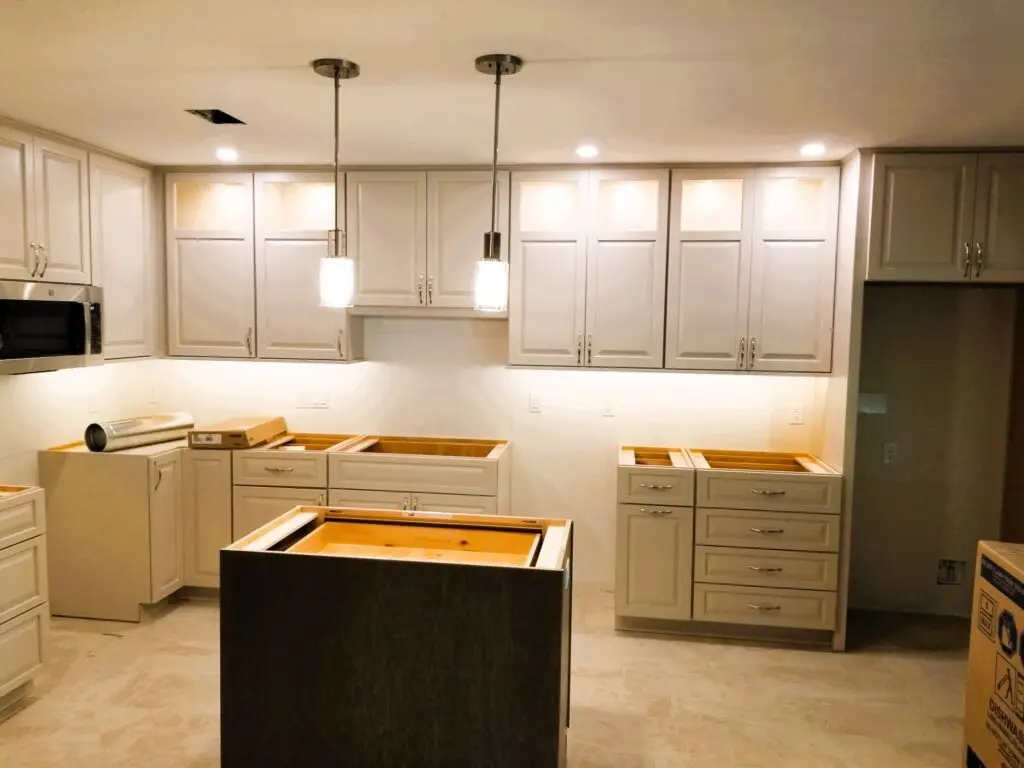
How Do I Make It Through the Remodel?
Are you going to get tired of living alongside a construction zone before it’s over? Yes. And that’s normal. Disruptions to your routine are trying, even under ideal circumstances.
One of the biggest things I’ve learned over the years is that homeowners who do the best during a remodel aren’t necessarily the ones whose projects go perfectly. They’re the ones who expected the disruption, stayed flexible, and kept the end goal in mind.
Sometimes the best thing you can do is leave the house for a bit. Go out to dinner. See a movie. Take a walk. Get a massage. Do something to give yourself a break from the upheaval. In short, plan some intentional decompression time.
And if something unexpected comes up? Remember what we talked about earlier: preparation, communication, and responding well to the unexpected are what keep a remodel moving in the right direction.
One more thing I often tell homeowners when something hiccups, “This will make a good story… later.” It usually gets a laugh as well. But it’s also true.
Almost every family has one moment during a remodel that feels overwhelming while it’s happening. Months later, it’s the story they tell when they’re showing off their beautiful new kitchen.
If you’d like more practical ideas to stay as comfortable as possible during a remodel, How to Survive a Kitchen Remodel While Living in Your Home shares many of the little lessons we’ve learned after all these years.
Just remember, a kitchen remodel will temporarily interrupt the way you live. But with a little preparation, realistic expectations, and a willingness to be flexible, it’s a temporary inconvenience on the way to a kitchen you’ll enjoy for years to come.
Am I Ready to Start My Kitchen Remodel?
If you’ve made it this far, you already know more than many homeowners do before they begin their first remodeling project: successful remodeling isn’t about getting lucky. It’s about asking the right questions, making thoughtful decisions, planning, and understanding what to expect before construction ever begins.
Will there still be surprises? Probably. That’s simply the nature of remodeling.
But surprises don’t have to become disasters when everyone understands the plan, communicates openly, and stays focused on finding solutions instead of assigning blame.
I’ve learned over the years that homeowners don’t usually need someone who never encounters a problem. They need someone who communicates honestly, takes responsibility when something goes wrong, and helps navigate the solution calmly. If you feel ready to begin talking about your own remodeling project, I’d love to sit down with you, hear what you’re hoping to accomplish, and help you determine whether we’re the right fit to work together. Contact us to get the ball rolling on your kitchen remodel.
Seeing design ideas and product selections is one thing. Seeing how those decisions come together in real homes is something else entirely.
Continue to See Real Kitchen Remodeling Projects and explore completed kitchens. Discover the design challenges each project presented, and see how the ideas we’ve discussed throughout these conversations were put into practice in actual homes.